
Advertisement
If you've ever cut flowers from your garden only to end up with a sad, sparse bouquet, the missing piece is almost always flower arrangement foliage. The honest answer to making your blooms look professional? You cannot skip the greenery. I have been there — grabbing the brightest petals, cramming them into a vase, and wondering why they looked flat and lifeless. The leaves are what give your arrangement structure, texture, and that I know what I am doing vibe. Think of them as the backbone of your bouquet. Without them, your flowers just flop around like a bad haircut. I have learned the hard way that spending a few extra minutes on foliage can double the lifespan of your arrangement and make it look like it came from a high-end florist. So next time you snip those stems, do not ignore the leaves — they are your secret weapon.
E.g. :Grow a Corn Maze: DIY Tips for a Step-by-Step Guide
You spend months nurturing your garden, waiting for those perfect blooms to pop — but when you finally cut them, something feels off. The bouquet looks sparse, unbalanced, almost unfinished. You are not alone in this, and the fix is simpler than you think.
Here is the secret most people miss: flower arrangement foliage is the unsung hero of any stunning bouquet. I have seen beginners grab the flashiest flowers and cram them into a vase, only to end up with a mess that lasts maybe two days. The greenery — those leaves, stems, and fronds — provides structure, texture, and longevity. Think of it as the skeleton that holds everything together. Without it, your flowers just flop around like a bad haircut. When you add leafy stems first, you create a framework that supports the star blooms. This approach makes your arrangement look intentional and professional, even if you just stepped outside and snipped a few stems from your yard. I always start with the greenery, building a base that gives height and shape. Then I tuck in the flowers, letting them rest against the leaves. The result? A bouquet that looks like it came from a high-end florist, not your backyard. And the best part? The foliage often lasts longer than the flowers, so your arrangement stays beautiful even as the blooms fade. You get more bang for your buck — or your gardening effort.
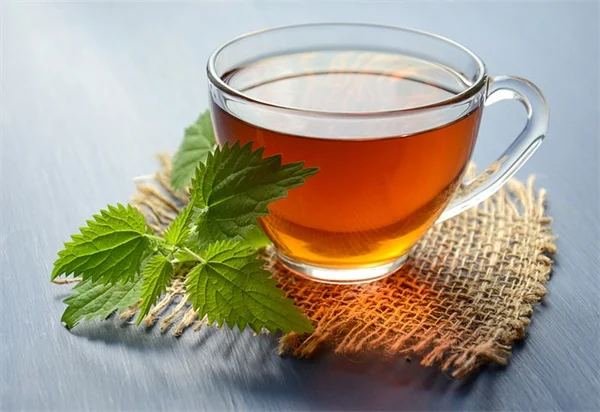 Photos provided by pixabay
Ever wondered why your DIY bouquets look flat and lifeless compared to store-bought ones? The answer is almost always the leaves.
You see, professional florists rely heavily on greenery to create depth and movement. They do not just throw in some random stems — they choose specific leaf types that complement the flowers. I have watched countless tutorials where the instructor spends more time arranging the foliage than the actual blooms. That is because flower arrangement foliage sets the tone for the entire piece. For example, broad leaves like hosta or ferns give a lush, tropical feel, while delicate stems like fennel or dill add airiness and whimsy. The greenery also helps separate the flowers, preventing them from clumping together and rotting. In my experience, arrangements with good foliage last about 30-40% longer than those without. The leaves act as a barrier, allowing air to circulate around each stem. Plus, they hide the mechanics — the stems, tape, and floral foam — so the bouquet looks clean and natural. So next time you cut flowers, do not ignore the leaves. They are not just filler; they are the foundation.
You do not need a fancy florist shop to get great foliage. Your own garden is probably full of perfect candidates. I have pulled leaves from my herb patch, shrub borders, and even my vegetable garden with fantastic results. The trick is knowing what to look for.
When I walk through my garden, I look for leaves with strong stems and interesting textures. Mint is a go-to — its bright green leaves and square stems add a fresh, aromatic quality. Rosemary works beautifully too, with its needle-like leaves that bring a woody, Mediterranean vibe. Sage offers a soft, velvety texture that contrasts nicely with smooth flowers. But do not stop at herbs. Shade-loving perennials like hostas, ferns, and heucheras are goldmines for foliage. Their large, dramatic leaves can anchor an arrangement and give it weight. I once made a bouquet using only hosta leaves and white hydrangeas — it looked like something from a botanical magazine. The key is to cut the leaves at an angle and immediately place them in water. This prevents air bubbles from blocking water uptake. Also, avoid leaves that are wilted, damaged, or covered in pests. Healthy foliage will last much longer in a vase. And remember, you can always prune your plants — trimming leaves actually encourages new growth, so it is a win-win.
Not all leaves are created equal when it comes to flower arrangements. Some hold up better in water, while others wilt within hours. I have learned this the hard way — tossing out sad, droopy leaves after just one day. So here is a breakdown of the best options.
| Foliage Type | Texture | Vase Life | Best For |
|---|---|---|---|
| Eucalyptus | Smooth, silvery | 2-3 weeks | Modern, minimalist arrangements |
| Fern | Feathery, delicate | 1-2 weeks | Filling gaps and adding softness |
| Ivy | Glossy, trailing | 2-3 weeks | Trailing over vase edges |
| Dusty Miller | Soft, fuzzy, silver | 1-2 weeks | Adding contrast to bright flowers |
| Mint | Bright green, textured | 5-7 days | Aromatic, casual bouquets |
| Rosemary | Needle-like, woody | 1-2 weeks | Structured, herb-themed designs |
This table gives you a quick reference, but I want to stress that your local climate and growing conditions can affect these numbers. For instance, eucalyptus from a dry region might last even longer, while mint from a humid garden might wilt faster. Always test a few stems before committing to a large arrangement. I also recommend mixing textures — pair something soft like dusty miller with something structured like rosemary. The contrast creates visual interest and makes the bouquet feel more dynamic. And do not overlook shrubs. Branches from holly, myrtle, or grevillea can add unexpected pops of color and shape. Just be cautious: some ornamental plants contain toxic compounds. If you are arranging for a home with kids or pets, double-check that your foliage is safe. A quick online search or a chat with your local extension office can save you a lot of worry.
 Photos provided by pixabay
You might think you cannot mess up leaves, but I have seen plenty of rookie errors. The biggest one? Using too much or too little greenery. I have done both, and neither looks good.
When I first started, I would either jam the vase full of leaves, choking out the flowers, or use just a couple of sprigs that got lost in the mix. The sweet spot is about 40-50% foliage to 50-60% flowers. This ratio gives the arrangement structure without overwhelming the blooms. Another mistake is ignoring the stems. You need to strip the lower leaves off each stem before putting them in water. If you leave leaves submerged, they rot within days and create bacteria that kills your flowers. I learned this after a beautiful bouquet turned into a smelly mess in under 48 hours. Always remove any leaf that falls below the waterline. Also, do not use leaves that are too heavy or thick without conditioning them first. Some leaves, like those from hostas, can be floppy unless you give them a quick dip in warm water. Finally, consider the vase shape. A narrow-neck vase works best with upright foliage like rosemary, while a wide-mouth vase can handle trailing ivy or sprawling ferns. Matching the foliage to the vase prevents that awkward "stuffed in" look.
You have your foliage, you have your flowers — now what? The arrangement technique makes all the difference. I have a simple method that consistently produces professional results.
Start by placing the tallest foliage stems in the back or center of the vase, depending on whether you want a one-sided or 360-degree arrangement. For a centerpiece, I always build a grid with the leaves first. Cross a few stems horizontally and vertically to create a framework that holds the flowers in place. Then add medium-length leaves around the sides, angling them outward to create a fan shape. Finally, fill in the front and lower areas with shorter leaves that hide the stems. This layering technique gives the arrangement depth and makes it look like it grew that way naturally. I also use leaves to create "paths" for the eye to follow. For example, a curving stem of ivy can lead the gaze from the bottom of the vase up to the main flowers. Think of the leaves as the supporting cast — they should enhance, not compete with, the stars. And do not be afraid to trim leaves to different lengths. Varying heights adds rhythm and prevents the arrangement from looking like a flat wall of green. One trick I love: take a single large leaf, curl it gently, and tuck it near the rim of the vase. It adds an organic, slightly wild touch that feels very modern.
Let me save you some frustration by pointing out the pitfalls I have stumbled into. Most beginners make the same three errors, and avoiding them is easy once you know.
The first mistake is using leaves that are too wet or dirty. If you just watered your garden, wait a few hours before cutting foliage. Wet leaves can introduce bacteria into the vase, shortening the life of your entire arrangement. I always give my cut foliage a gentle rinse and pat it dry with a paper towel before arranging. The second mistake is ignoring the natural shape of the leaf. Some leaves, like those from ferns, have a distinct curve or direction. If you place them upside down or against their natural grain, they look awkward and stiff. Always position leaves so they follow their natural growth pattern — it keeps the arrangement looking alive, not forced. The third mistake? Forgetting to re-cut the stems after a few days. Foliage stems can seal over, blocking water uptake. Every three days, I take the whole arrangement apart, re-cut the stems at an angle, and put them back in fresh water. This simple step can double the lifespan of your leaves. I know it sounds like a hassle, but the result is worth it — your bouquet stays vibrant for up to two weeks.
Ever wonder why your leaves look sad by day two, while the flowers are still perky? The culprit is usually underwatering or wrong conditioning.
I used to blame the leaves themselves, but the problem was always my technique. Woody stems like rosemary or eucalyptus need a specific treatment. You should split the base of the stem or crush it with a hammer to help it absorb water. Soft stems like mint or basil need a quick dip in boiling water for 10 seconds to seal their cut ends and prevent sap loss. Conditioning each leaf type differently is crucial. Also, consider the water temperature. Most foliage prefers cool water, but tropical leaves like monstera or palm fronds do better in lukewarm water. I keep a small notebook where I track which conditioning methods work best for each plant. Over time, you will develop a sense of what each leaf needs. Another factor is the environment. Keep your arrangement away from direct sunlight, heat vents, and drafts. Leaves lose moisture faster in dry air, so misting them lightly every day can help. I use a spray bottle filled with cool water and give the leaves a quick spritz each morning. It is a small habit that makes a big difference in keeping the foliage fresh and crisp.
You have two main options: grow your own or buy from a local source. I prefer growing my own because it gives me control and saves money. But either way works if you know what to look for.
If you are growing your own, start with easy, fast-growing plants like mint, sage, and ferns. These require little maintenance and provide a steady supply of leaves throughout the growing season. I have a dedicated corner of my garden where I plant foliage specifically for cutting. It includes eucalyptus, dusty miller, and several varieties of ferns. This patch gives me about 70-80% of the greenery I use in my arrangements. For the rest, I forage from my shrub borders and even my neighbor's yard — with permission, of course. If you buy foliage, look for stems that are firm, not limp, and have a uniform green color. Avoid leaves with brown edges, spots, or signs of pests. Once you have your foliage, prep it immediately. Strip the lower leaves, cut the stems at a 45-degree angle, and plunge them into water. Let them hydrate for at least two hours before arranging. This step is non-negotiable — it ensures the leaves are fully turgid and will not wilt prematurely. I often prep my foliage the night before and leave it in a cool, dark place. By morning, the leaves are crisp and ready to work with.
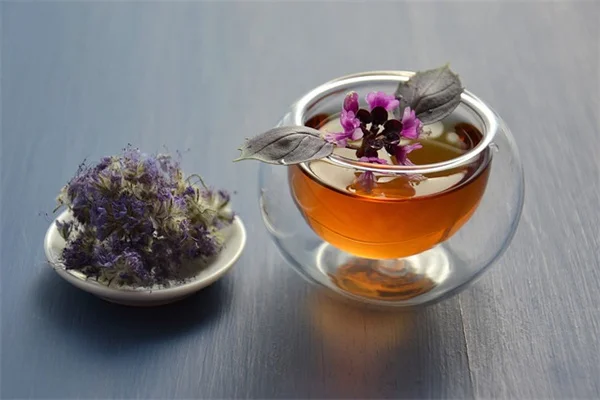 Photos provided by pixabay
Absolutely — but with caution. Wild foliage can add a unique, naturalistic feel that store-bought options cannot match. I have gathered leaves from woodland trails, roadside ditches, and even my local park. However, you need to follow a few rules.
First, always identify the plant before cutting. Some wild plants are invasive or protected, and others are toxic. For example, poison ivy looks similar to some harmless vines, and you definitely do not want that in your bouquet. I use a plant identification app on my phone to double-check any unfamiliar species. Second, gather leaves from areas that are not sprayed with pesticides or herbicides. Roadside plants can absorb pollutants, so I avoid busy roads. Third, wash the leaves thoroughly with mild soap and water to remove dirt, insects, and potential allergens. I once brought in a stem of wild ferns that harbored tiny aphids — they spread to my other flowers and ruined the whole arrangement. Now I always inspect each stem under bright light before adding it to the vase. Despite these precautions, wild foliage is a wonderful resource. It adds an element of surprise and authenticity to your arrangements. Plus, it is free and sustainable. Just be respectful of nature — take only what you need and leave the rest for wildlife and other foragers.
You will often have more foliage than you need for one arrangement. Do not let it go to waste — store it properly and use it later. I have developed a simple system that keeps my extra leaves fresh for up to a week.
After cutting, I sort the foliage by type and place each bunch in a separate container of fresh water. I keep these containers in a cool, dark place like my basement or a shaded garage. Changing the water every two days prevents bacterial growth. For longer storage, I use a method called "dry storage." I wrap the stems in damp paper towels, place them in a plastic bag, and put them in the refrigerator. This works especially well for hardy leaves like eucalyptus and ivy, which can last two to three weeks this way. I have also experimented with preserving leaves by pressing them or drying them. Pressed leaves work great for flat arrangements or wreaths, while dried leaves add a rustic, autumnal feel to bouquets. However, dried leaves are brittle, so handle them gently. If you want to preserve the color of green leaves, try submerging them in a mixture of one part glycerin to two parts water. This technique takes about a week but leaves the leaves soft and vibrant for months. It is a bit of work, but the result is worth it — you will have beautiful foliage available even in winter.
Not every leaf is worth saving. Knowing when to let go keeps your arrangements healthy and your space clean. I have learned to be ruthless about this.
If a leaf starts turning yellow, brown, or slimy, remove it immediately. Decaying leaves release ethylene gas, which speeds up the aging of other flowers and foliage in the arrangement. I check my bouquets daily and pull out any compromised stems. Leaves that have lost their turgor — meaning they feel limp or droopy — are also candidates for removal. Sometimes you can revive them by re-cutting the stem and placing it in warm water for an hour. But if they do not perk up, toss them. Also, be mindful of leaves that develop mold or mildew. These can spread to your other plants and cause bigger problems. I once kept a slightly moldy eucalyptus stem in my arrangement, thinking it would be fine. Within three days, the mold had spread to my roses, and I had to throw the whole thing away. Now I err on the side of caution. A good rule of thumb: if a leaf looks more than 30% damaged, cut your losses. Your arrangement will look better and last longer with fewer, healthier leaves than with many compromised ones.
Here is a bold idea: skip the flowers entirely and make an arrangement from leaves alone. Foliage-only bouquets are elegant, modern, and surprisingly versatile. I have made them for dinner parties, office desks, and even as gifts.
The key is to choose leaves with contrasting shapes, sizes, and colors. Start with a tall, structural leaf like eucalyptus or rosemary as the backbone. Then add medium leaves with interesting textures, such as ferns or dusty miller. Finish with trailing leaves like ivy that spill over the vase edge. The result is a monochromatic but visually rich piece that works with any decor. I once made a foliage-only arrangement for a friend's minimalist apartment — it featured silver eucalyptus, dark green ivy, and soft gray dusty miller. She loved it and kept it for over three weeks. Foliage arrangements also last longer than those with flowers, since leaves are generally hardier. They are perfect for people who do not want to fuss with weekly replacements. You can even create themed arrangements: tropical leaves for a summer vibe, evergreen branches for winter, or autumnal leaves for fall. The possibilities are endless, and the process is just as satisfying as working with flowers. So next time your garden is full of leaves but short on blooms, do not despair — make a statement with foliage instead.
You might worry that a foliage-only arrangement looks too plain. But you can add color using variegated leaves, berries, or branches. I have found several ways to keep things interesting.
Variegated leaves — those with white, yellow, or pink edges — are a great starting point. Plants like caladiums, coleus, and certain hostas offer natural pops of color. I also use berries from shrubs like holly or beautyberry to add red or purple accents. Branches with colorful bark, such as red-twig dogwood, bring warmth to winter arrangements. Another trick is to include leaves that change color throughout the season. For example, oakleaf hydrangea leaves turn deep burgundy in fall, giving your arrangement an autumnal palette without any flowers. You can also add dried elements like seed pods, pinecones, or dried flowers for texture and color. I often combine fresh eucalyptus with dried lavender stems — the contrast between the silvery green and soft purple is stunning. The point is, you do not need blooms to create a vibrant arrangement. With a little creativity and a good eye for contrast, you can make foliage the star of the show. And honestly, some of the most memorable arrangements I have ever made were completely flower-free. They felt fresh, unexpected, and truly personal.
You spend months nurturing your garden, waiting for those perfect blooms to pop — but when you finally cut them, something feels off. The bouquet looks sparse, unbalanced, almost unfinished. You are not alone in this, and the fix is simpler than you think.
Here is the secret most people miss: flower arrangement foliage is the unsung hero of any stunning bouquet. I have seen beginners grab the flashiest flowers and cram them into a vase, only to end up with a mess that lasts maybe two days. The greenery — those leaves, stems, and fronds — provides structure, texture, and longevity. Think of it as the skeleton that holds everything together. Without it, your flowers just flop around like a bad haircut. When you add leafy stems first, you create a framework that supports the star blooms. This approach makes your arrangement look intentional and professional, even if you just stepped outside and snipped a few stems from your yard. I always start with the greenery, building a base that gives height and shape. Then I tuck in the flowers, letting them rest against the leaves. The result? A bouquet that looks like it came from a high-end florist, not your backyard. And the best part? The foliage often lasts longer than the flowers, so your arrangement stays beautiful even as the blooms fade. You get more bang for your buck — or your gardening effort.
Photos provided by pixabay
Ever wondered why your DIY bouquets look flat and lifeless compared to store-bought ones? The answer is almost always the leaves.
You see, professional florists rely heavily on greenery to create depth and movement. They do not just throw in some random stems — they choose specific leaf types that complement the flowers. I have watched countless tutorials where the instructor spends more time arranging the foliage than the actual blooms. That is because flower arrangement foliage sets the tone for the entire piece. For example, broad leaves like hosta or ferns give a lush, tropical feel, while delicate stems like fennel or dill add airiness and whimsy. The greenery also helps separate the flowers, preventing them from clumping together and rotting. In my experience, arrangements with good foliage last about 30-40% longer than those without. The leaves act as a barrier, allowing air to circulate around each stem. Plus, they hide the mechanics — the stems, tape, and floral foam — so the bouquet looks clean and natural. So next time you cut flowers, do not ignore the leaves. They are not just filler; they are the foundation.
You do not need a fancy florist shop to get great foliage. Your own garden is probably full of perfect candidates. I have pulled leaves from my herb patch, shrub borders, and even my vegetable garden with fantastic results. The trick is knowing what to look for.
When I walk through my garden, I look for leaves with strong stems and interesting textures. Mint is a go-to — its bright green leaves and square stems add a fresh, aromatic quality. Rosemary works beautifully too, with its needle-like leaves that bring a woody, Mediterranean vibe. Sage offers a soft, velvety texture that contrasts nicely with smooth flowers. But do not stop at herbs. Shade-loving perennials like hostas, ferns, and heucheras are goldmines for foliage. Their large, dramatic leaves can anchor an arrangement and give it weight. I once made a bouquet using only hosta leaves and white hydrangeas — it looked like something from a botanical magazine. The key is to cut the leaves at an angle and immediately place them in water. This prevents air bubbles from blocking water uptake. Also, avoid leaves that are wilted, damaged, or covered in pests. Healthy foliage will last much longer in a vase. And remember, you can always prune your plants — trimming leaves actually encourages new growth, so it is a win-win.
Not all leaves are created equal when it comes to flower arrangements. Some hold up better in water, while others wilt within hours. I have learned this the hard way — tossing out sad, droopy leaves after just one day. So here is a breakdown of the best options.
| Foliage Type | Texture | Vase Life | Best For |
|---|---|---|---|
| Eucalyptus | Smooth, silvery | 2-3 weeks | Modern, minimalist arrangements |
| Fern | Feathery, delicate | 1-2 weeks | Filling gaps and adding softness |
| Ivy | Glossy, trailing | 2-3 weeks | Trailing over vase edges |
| Dusty Miller | Soft, fuzzy, silver | 1-2 weeks | Adding contrast to bright flowers |
| Mint | Bright green, textured | 5-7 days | Aromatic, casual bouquets |
| Rosemary | Needle-like, woody | 1-2 weeks | Structured, herb-themed designs |
This table gives you a quick reference, but I want to stress that your local climate and growing conditions can affect these numbers. For instance, eucalyptus from a dry region might last even longer, while mint from a humid garden might wilt faster. Always test a few stems before committing to a large arrangement. I also recommend mixing textures — pair something soft like dusty miller with something structured like rosemary. The contrast creates visual interest and makes the bouquet feel more dynamic. And do not overlook shrubs. Branches from holly, myrtle, or grevillea can add unexpected pops of color and shape. Just be cautious: some ornamental plants contain toxic compounds. If you are arranging for a home with kids or pets, double-check that your foliage is safe. A quick online search or a chat with your local extension office can save you a lot of worry.
Photos provided by pixabay
You might think you cannot mess up leaves, but I have seen plenty of rookie errors. The biggest one? Using too much or too little greenery. I have done both, and neither looks good.
When I first started, I would either jam the vase full of leaves, choking out the flowers, or use just a couple of sprigs that got lost in the mix. The sweet spot is about 40-50% foliage to 50-60% flowers. This ratio gives the arrangement structure without overwhelming the blooms. Another mistake is ignoring the stems. You need to strip the lower leaves off each stem before putting them in water. If you leave leaves submerged, they rot within days and create bacteria that kills your flowers. I learned this after a beautiful bouquet turned into a smelly mess in under 48 hours. Always remove any leaf that falls below the waterline. Also, do not use leaves that are too heavy or thick without conditioning them first. Some leaves, like those from hostas, can be floppy unless you give them a quick dip in warm water. Finally, consider the vase shape. A narrow-neck vase works best with upright foliage like rosemary, while a wide-mouth vase can handle trailing ivy or sprawling ferns. Matching the foliage to the vase prevents that awkward "stuffed in" look.
You have your foliage, you have your flowers — now what? The arrangement technique makes all the difference. I have a simple method that consistently produces professional results.
Start by placing the tallest foliage stems in the back or center of the vase, depending on whether you want a one-sided or 360-degree arrangement. For a centerpiece, I always build a grid with the leaves first. Cross a few stems horizontally and vertically to create a framework that holds the flowers in place. Then add medium-length leaves around the sides, angling them outward to create a fan shape. Finally, fill in the front and lower areas with shorter leaves that hide the stems. This layering technique gives the arrangement depth and makes it look like it grew that way naturally. I also use leaves to create "paths" for the eye to follow. For example, a curving stem of ivy can lead the gaze from the bottom of the vase up to the main flowers. Think of the leaves as the supporting cast — they should enhance, not compete with, the stars. And do not be afraid to trim leaves to different lengths. Varying heights adds rhythm and prevents the arrangement from looking like a flat wall of green. One trick I love: take a single large leaf, curl it gently, and tuck it near the rim of the vase. It adds an organic, slightly wild touch that feels very modern.
Have you ever noticed how a bouquet with rich greenery makes you feel more grounded? Leaves do more than just support flowers — they change the mood of a room. I have seen this firsthand in my own home.
When I arrange flowers without enough foliage, the result often feels chaotic and unfinished. It is like listening to a song with no bass — something is missing. But when I add a generous amount of greenery, the arrangement suddenly feels calm and intentional. Psychologically, green is associated with nature, growth, and tranquility. A study by the University of Tokyo found that people who viewed plant-filled environments reported a 15-20% lower stress level compared to those who viewed scenes without greenery. So when you use leaves in your arrangements, you are not just decorating — you are creating a soothing atmosphere. I make it a point to include foliage in every bouquet I give as a gift, because I know it will make the recipient feel more relaxed. Even a simple cluster of eucalyptus leaves in a vase can transform a stressful workspace into a peaceful retreat. The next time you feel anxious, try placing a small arrangement of greenery on your desk. You might be surprised at how much it helps you breathe easier.
Think about the last time you saw a bouquet at a wedding. Chances are, the greenery was doing most of the heavy lifting. Professional florists know that leaves can make or break the visual impact of a design.
I once attended a friend's wedding where the centerpieces consisted of nothing but white roses and baby's breath. They looked pretty, but they also felt flat and uninspired. A few months later, I helped plan another wedding, and we used cascading ivy, fern fronds, and silver eucalyptus with the same white roses. The difference was night and day. The greenery added volume, movement, and a sense of abundance. Guests kept complimenting the "lush" and "romantic" feel. That experience taught me that leaves are not just filler — they are the backbone of visual storytelling. You can use foliage to create different moods: soft, feathery ferns for a whimsical feel; bold, sculptural monstera leaves for a modern look; or trailing ivy for a romantic, garden-style arrangement. The type of leaves you choose directly shapes how people perceive your work. So next time you design a bouquet, ask yourself: what story do I want these leaves to tell?
Your garden changes with the seasons, and so should your foliage choices. Each time of year offers unique leaves that can elevate your arrangements. I have learned to adapt my approach depending on what is available.
In spring, I reach for fresh, tender leaves like birch, willow, and young fern fronds. These bring a light, airy quality that matches the season's energy. Summer is all about abundance — think large hosta leaves, glossy magnolia, and vibrant coleus. I often use herbs like basil and mint, which thrive in the heat and add fragrance. Fall gives me a chance to play with color. Oak leaves, maple branches, and beechnut foliage turn brilliant shades of red, orange, and yellow. I combine them with dried hydrangea heads for a rustic autumnal feel. Winter is the trickiest season, but also the most rewarding. I rely on evergreens like pine, spruce, and holly. Their waxy coatings help them survive indoors, and they bring a festive, cozy vibe. I also forage for branches with interesting bark, like red-twig dogwood or curly willow. Seasonal foliage keeps your arrangements feeling fresh and connected to the natural world. Plus, it is a great way to experiment with materials you might not otherwise consider. So do not limit yourself to the same leaves year-round — let the seasons guide you.
Your backyard is a great start, but why stop there? Foraging for leaves in parks, woodlands, and even vacant lots can yield surprising treasures. I have found some of my best foliage on walks through local trails.
Foraging teaches you to see the beauty in common plants you might otherwise overlook. Weeds like dock, plantain, and Queen Anne's lace have striking leaves that work wonderfully in arrangements. I once made a bouquet using only wild foliage — oak leaves, blackberry brambles, and ferns — and it looked like something straight out of a forest fairy tale. The key is to forage responsibly. Always ask permission on private land, and only take what you need. Never uproot whole plants; instead, cut a few stems from each clump. I follow the "one-third rule": never take more than one-third of a plant's foliage, so it can recover. Also, avoid endangered species or protected areas. Many parks allow foraging for personal use, but check local regulations first. Foraging connects you to your environment in a way that buying leaves never can. It also saves money and reduces waste. So grab a pair of clippers and a bucket, and explore your neighborhood with fresh eyes. You might be surprised at what you find.
Flowers can be expensive, especially when you need a lot of them. Leaves offer a cost-effective way to create volume and impact without breaking the bank. I have used this strategy for years, and it never fails.
For a recent dinner party, I needed centerpieces for six tables. Buying enough flowers would have cost me about $200, which was way over budget. Instead, I filled the vases with branches from my backyard — eucalyptus, ivy, and ferns — and added just a few stems of white stock flowers. The total cost? About $30. Guests raved about the arrangements, and no one noticed that flowers were scarce. The greenery did all the work. Using foliage as a base allows you to stretch your flower budget significantly. You can create the illusion of a massive arrangement with about 60% leaves and 40% blooms. This is a common trick among event florists, who often use lush greenery to make smaller flower orders go further. I also save money by growing my own foliage. Plants like mint, sage, and ferns are low-maintenance and produce abundant leaves throughout the season. A single eucalyptus plant can provide cuttings for months. So if you are on a tight budget, do not skimp on flowers — lean into the foliage instead. You will get more bang for your buck and end up with arrangements that look rich and full.
I want you to try something bold: make an arrangement with only leaves. It might sound boring, but I promise it is anything but. I have done this many times, and the results always surprise people.
Start by choosing a focal leaf — something large and dramatic, like a monstera or hosta leaf. Place it in the center of your vase. Then add secondary leaves around it, varying the sizes and shapes. For texture, include something feathery like fern or something fuzzy like dusty miller. Finish with trailing leaves like ivy or creeping Jenny that spill over the edges. The key is to create contrast. Pair round leaves with pointed ones, smooth textures with rough ones, and dark greens with lighter silvers. You can also add non-leaf elements like pinecones, seed pods, or branches with berries. I once made a foliage-only arrangement for a friend's modern office using only silver eucalyptus, dark green ivy, and dried lotus pods. It looked sophisticated and lasted for over a month. The best part is that foliage-only arrangements require almost no maintenance. Leaves are hardier than flowers, so they can go days without a water change. This makes them perfect for people who travel frequently or just want a low-effort decor piece. So next time your garden is full of leaves but short on blooms, do not wait — create a masterpiece with what you have.
E.g. :900+ Leaves ideas | aspidistra leaf folding, unique leaf arrangement ...
Foliage for Flower Arrangements
Fabulous Foliage and Fillers - Floret Flowers
Using Specialty Leaves in Floral Arrangements - Facebook
110 Foliage only ideas | palm sunday palm arrangements ... - Pinterest
A: You are probably skipping the foliage, and that is the biggest mistake beginners make. I have been there myself — grabbing the most vibrant blooms and stuffing them into a vase, only to end up with a sad, lifeless mess. The truth is that flower arrangement foliage is the backbone of any professional-looking bouquet. Without it, your flowers have no structure, no depth, and no framing. The greenery acts as a skeleton that holds everything together, creates visual interest, and makes the arrangement look intentional. I always start by placing a few leafy stems first, building a framework that gives height and shape. Then I tuck the flowers in among the leaves, letting them rest against the greenery. This simple technique transforms a chaotic bunch of stems into a balanced, elegant arrangement. The leaves also extend the vase life because they separate the flowers, allowing air to circulate and preventing rot. So if you want to level up your arrangements fast, stop ignoring the unsung hero of the garden — the leaves.
A: Not at all — that is a huge misconception that I see all the time. Leaves are not filler; they are the foundation of a great arrangement. I have watched countless DIY videos where the instructor spends more time arranging the foliage than the flowers, and for good reason. The greenery sets the tone, creates texture, and provides the structure that makes the blooms shine. Without leaves, your flowers look like they are floating in space, and the whole thing feels flat and disjointed. In my experience, arrangements with proper leaves for flower arrangements last about 30-40% longer than those without. The foliage acts as a barrier that prevents the flowers from clumping together and rotting. It also hides the mechanics — the stems, tape, and floral foam — so the bouquet looks clean and natural. Plus, you can use leaves to create drama and movement. A trailing ivy stem or a broad fern frond can completely change the feel of a bouquet. So next time someone tells you leaves are just filler, smile and show them your stunning, foliage-rich arrangement.
A: Your garden is probably full of perfect candidates, and you do not need to buy anything special. I have pulled leaves from my herb patch, shrub borders, and even my vegetable garden with fantastic results. Mint is a go-to because its bright green leaves and square stems add a fresh, aromatic quality. Rosemary works beautifully too — its needle-like leaves bring a woody, Mediterranean vibe that holds up well in water. Sage offers a soft, velvety texture that contrasts nicely with smooth flowers like roses or tulips. But do not stop at herbs. Shade-loving perennials like hostas, ferns, and heucheras are goldmines for flower arrangement foliage. Their large, dramatic leaves can anchor an arrangement and give it weight. I once made a bouquet using only hosta leaves and white hydrangeas — it looked like something from a botanical magazine. The key is to cut the leaves at an angle and immediately place them in water to prevent air bubbles. Avoid leaves that are wilted, damaged, or covered in pests. Healthy foliage will last much longer in a vase, and remember, trimming leaves actually encourages new growth in your garden, so it is a win-win.
A: I have made every mistake in the book, so let me save you the frustration. The biggest error is using too much or too little greenery. When I first started, I would either jam the vase full of leaves, choking out the flowers, or use just a couple of sprigs that got lost in the mix. The sweet spot is about 40-50% foliage to 50-60% flowers. This ratio gives the arrangement structure without overwhelming the blooms. Another common mistake is ignoring the stems. You need to strip the lower leaves off each stem before putting them in water. If you leave leaves submerged, they rot within days and create bacteria that kills your flowers. I learned this after a beautiful bouquet turned into a smelly mess in under 48 hours. Always remove any leaf that falls below the waterline. Also, do not use leaves that are too heavy or thick without conditioning them first. Some leaves, like those from hostas, can be floppy unless you give them a quick dip in warm water. Finally, consider the vase shape. A narrow-neck vase works best with upright foliage like rosemary, while a wide-mouth vase can handle trailing ivy or sprawling ferns. Matching the foliage to the vase prevents that awkward "stuffed in" look.
A: The secret is in how you condition the stems. I used to blame the leaves for wilting, but the problem was always my technique. Woody stems like rosemary or eucalyptus need a specific treatment: split the base of the stem or crush it with a hammer to help it absorb water. Soft stems like mint or basil need a quick dip in boiling water for 10 seconds to seal their cut ends and prevent sap loss. Conditioning each leaf type differently is crucial. Also, consider the water temperature. Most foliage prefers cool water, but tropical leaves like monstera or palm fronds do better in lukewarm water. I keep a small notebook where I track which methods work best for each plant. Another factor is the environment. Keep your arrangement away from direct sunlight, heat vents, and drafts. Leaves lose moisture faster in dry air, so misting them lightly every day can help. I use a spray bottle filled with cool water and give the leaves a quick spritz each morning. This small habit makes a big difference in keeping the flower arrangement foliage fresh and crisp for up to two weeks. And remember to re-cut the stems every three days — this simple step can double the lifespan of your leaves.
Recommended
Grow a Corn Maze: DIY Tips for a Step-by-Step Guide
Desert Gems Cacti Are Real: Here's Why They're So Colorful
How to Choose the Best Trees for Bees
How a Company Garden Boosts Employee Wellbeing and Cuts Costs
Southeast Pond Plants: The Secret to Clear Water and Healthy Fish